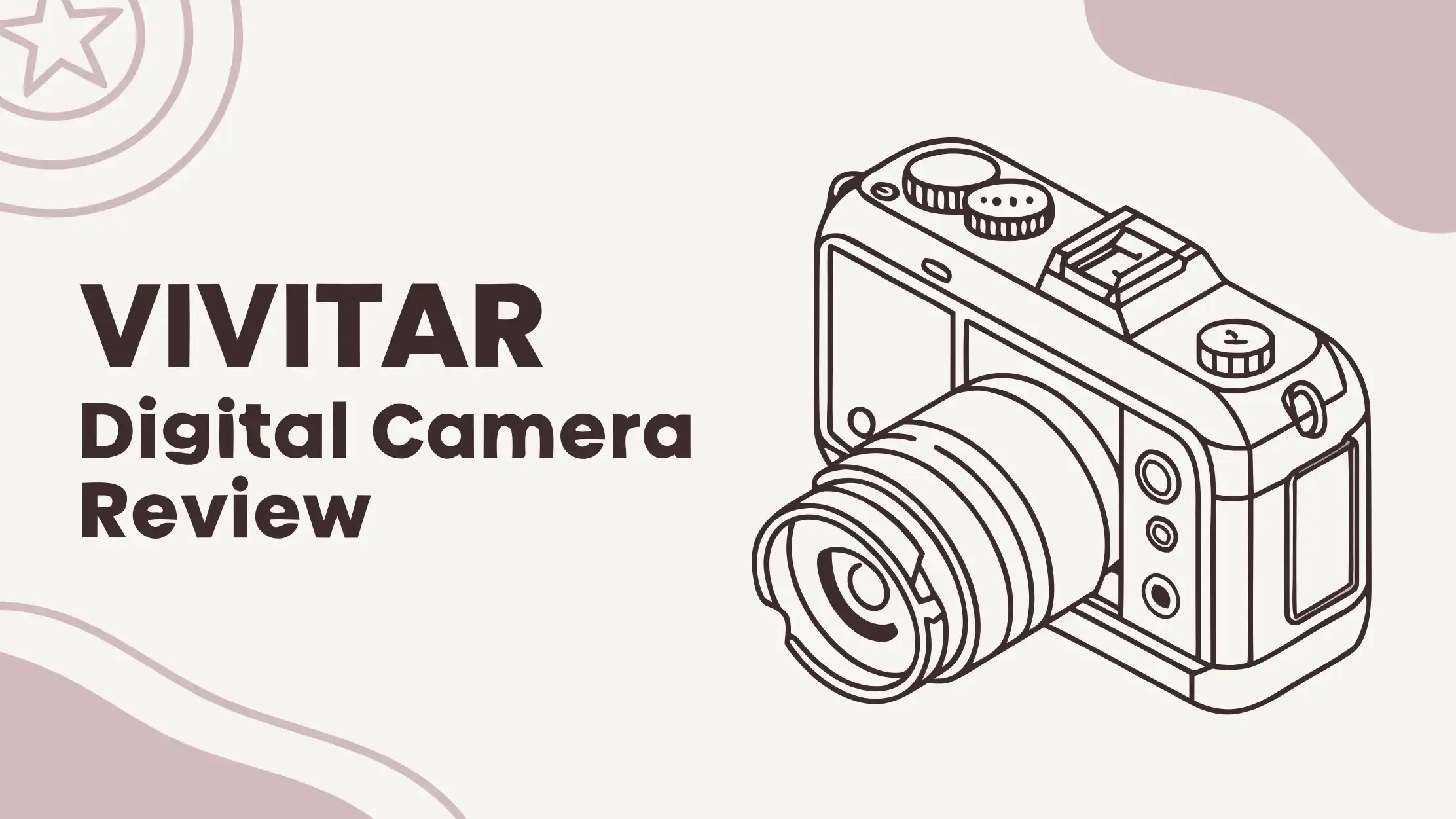
Vivitar Digital Camera Review: A Complete Buyer’s Guide
Are you searching for an affordable digital camera that delivers quality photos without emptying your wallet? Vivitar digital cameras have become increasingly popular among beginners, students, and casual photographers who want reliable performance at budget-friendly prices.
This comprehensive review explores everything you need to know about Vivitar cameras, from their features and performance to real-world user experiences.
Let’s dive deep into what makes these cameras tick and help you decide if a Vivitar camera deserves a spot in your bag.
Key Takeaways
- Budget-Friendly Excellence: Vivitar cameras typically range from $20 to $150, making them among the most affordable options in the digital camera market. You get decent image quality without the premium price tag attached to mainstream brands.
- Perfect for Beginners: These cameras feature intuitive controls and simple menu systems that eliminate the learning curve. Kids, teens, and photography newcomers can start shooting immediately without reading thick instruction manuals.
- Impressive Zoom Capabilities: Most Vivitar models offer between 4x to 18x digital zoom, allowing you to capture distant subjects with reasonable clarity. This feature proves particularly useful for travel photography and outdoor events.
- 4K Video Recording Available: Several Vivitar models now support 4K video recording at affordable prices. Content creators on tight budgets can produce high-resolution videos for social media platforms like TikTok, Instagram, and YouTube.
- Compact and Portable Design: Vivitar cameras prioritize portability with lightweight builds that fit easily in purses, backpacks, or jacket pockets. You can carry them everywhere without feeling burdened by heavy photography equipment.
- Limitations to Consider: While Vivitar cameras excel at their price points, they cannot match the image quality, low-light performance, or advanced features of premium camera brands. Setting realistic expectations ensures satisfaction with your purchase.
Understanding the Vivitar Brand History
Vivitar entered the photography market decades ago as an affordable alternative to expensive camera brands. The company originally gained recognition for producing budget-friendly camera accessories, lenses, and flash units. Over time, Vivitar transitioned into consumer electronics, expanding their product lineup to include digital cameras, action cameras, drones, and various tech gadgets.
Today, Vivitar operates under Sakar International, focusing on making technology accessible to everyday consumers. Their philosophy centers on providing functional products at prices that won’t strain family budgets. This approach has earned them a loyal following among parents buying cameras for children, students on limited budgets, and hobbyists seeking backup cameras.
The brand competes directly with entry-level offerings from Kodak, Minolta, and various generic camera manufacturers flooding online marketplaces. Vivitar distinguishes itself through wider retail availability and slightly better build quality compared to no-name alternatives. You’ll find their products at major retailers like Walmart, Best Buy, Target, and Amazon, which provides easier access to customer service and returns if needed.
Vivitar VECXX101 4K Digital Camera

The Vivitar VECXX101 represents one of the brand’s most popular point-and-shoot cameras, offering 4K video recording capabilities at an attractive price point. This model targets content creators, vloggers, and amateur photographers who want decent video quality without investing in expensive equipment.
This camera features a 56-megapixel sensor for still photography, though the actual effective resolution delivers more modest results typical of entry-level cameras. The 18x digital zoom allows you to get closer to your subjects, while the 3-inch LCD display provides adequate viewing space for composing shots and reviewing footage. The inclusion of WiFi connectivity enables wireless photo transfer to smartphones, making social media sharing quick and convenient.
Build quality feels solid for the price range, with a textured grip that helps prevent accidental drops. The camera accepts standard SD cards up to 128GB, giving you plenty of storage space for photos and videos. Battery life proves adequate for casual shooting sessions, typically lasting 2-3 hours of mixed use before requiring recharging.
Performance in good lighting conditions surprises many users with sharp, vibrant images suitable for social media posting and casual prints. The 4K video mode captures reasonably smooth footage, though low-light performance reveals the camera’s limitations. Indoor shooting often produces grainy images with noticeable noise, especially without additional lighting.
The camera includes bonus accessories like a macro lens and carrying case, adding value to the package. Setup takes minutes, with straightforward menus that beginners can navigate easily. Many users appreciate the auto mode that handles exposure and focus automatically, letting them concentrate on composition rather than technical settings.
Vivitar PopSnap Compact Digital Camera
The Vivitar PopSnap has gained viral popularity on TikTok and Instagram as an ultra-affordable entry into digital photography. Priced around $20-30, this tiny camera appeals to teens, students, and anyone curious about experimenting with dedicated cameras without significant financial commitment.
The PopSnap features a compact, colorful design available in pink, white, black, and other vibrant options. Its small form factor makes it incredibly portable, easily slipping into pockets or small bags. The camera captures 1080P video and still images with basic quality that exceeds expectations for such an inexpensive device.
Users describe the PopSnap as a fun, casual camera perfect for capturing memories at parties, school events, or casual outings. Image quality clearly won’t compete with smartphones from the past five years, but the camera offers a different aesthetic that some users find appealing for creative projects. The separate device also reduces distractions compared to smartphone photography, where notifications constantly interrupt shooting sessions.
The PopSnap includes built-in games, making it entertaining for younger users between photo sessions. Battery life remains decent through USB charging, and the camera accepts microSD cards for expandable storage. Many buyers purchase this as a first camera for children aged 8-12, teaching them photography basics without risking expensive equipment.
Limitations include fixed focus, basic exposure control, and mediocre low-light performance. The small sensor struggles in challenging lighting conditions, producing washed-out or grainy images. However, for the price point, the PopSnap delivers reasonable value as an experimental camera or gift for young photography enthusiasts.
Top 3 Alternatives for Vivitar Digital Camera

- 【4K UHD Video & 48MP Photo Capture, Record Every Special Moment】 This compact digital camera...
- 【16X Digital Zoom & Versatile Shooting Modes】 Want to capture distant landscapes or zoom in on...

- 4x Optical Zoom - 27mm Wide Angle Lens
- 16MP CMOS Sensor

- 16 Megapixel CMOS Sensor
- 5X Optical Zoom - 28mm Wide Angle Lens
Image Quality and Performance Analysis
Understanding realistic expectations for Vivitar camera image quality helps avoid disappointment. These cameras use small sensors typical of budget point-and-shoot models, which inherently limits their ability to capture light and detail compared to larger sensors found in DSLRs, mirrorless cameras, or premium compacts.
In bright outdoor lighting, Vivitar cameras perform surprisingly well. Photos exhibit decent sharpness, vibrant colors, and adequate exposure. Landscape shots, beach photos, and outdoor events produce images suitable for social media sharing and 4×6 prints. The auto mode handles most situations competently, adjusting settings to achieve balanced exposure.
Indoor and low-light photography reveals significant limitations. Images become grainy with visible noise, colors lose vibrancy, and sharpness decreases noticeably. The small sensor and limited aperture struggle to gather sufficient light, resulting in dim or blurry photos unless you use the built-in flash. Unfortunately, the flash often produces harsh, unflattering light that washes out subjects.
Video quality from 4K-capable models looks decent when viewed on smartphones or shared on social media platforms. However, true 4K quality falls short of expectations set by premium cameras or even recent flagship smartphones. The video serves content creation purposes adequately, especially for beginners learning filming techniques.
Digital zoom, while impressive in numbers (8x, 16x, or 18x), introduces quality degradation. Zooming in crops and enlarges the image digitally rather than using optical magnification, causing pixelation and softness. Use digital zoom sparingly, preferably at lower magnification levels, to maintain acceptable image quality.
Battery Life and Storage Capacity
Battery performance varies across Vivitar models, with most using rechargeable lithium-ion batteries. Typical shooting sessions yield 2-4 hours of mixed photo and video capture before requiring recharging. The USB charging capability proves convenient, allowing you to power up using portable power banks, laptop USB ports, or standard wall adapters.
Several models include two batteries in the package, effectively doubling your shooting time without interruption. This thoughtful inclusion addresses one of the main concerns with budget cameras, where replacement batteries often cost a significant portion of the camera’s original price.
Storage relies on standard SD or microSD cards, which are not always included. Purchasing a 32GB or 64GB card separately adds to the total cost but provides ample space for thousands of photos and hours of video. The cameras support cards up to 128GB, giving serious users plenty of room for extended shooting sessions without transferring files.
File transfer options include USB cable connection to computers or WiFi connectivity on models like the VECXX101. WiFi transfer speeds run slower than cable connections but offer the convenience of wireless sharing to smartphones for immediate social media posting. The companion apps work adequately, though they lack the polish of apps from premium camera manufacturers.
Ease of Use for Beginners
Vivitar cameras excel in simplicity and accessibility, making them ideal choices for photography beginners. The straightforward button layouts eliminate confusion, with clearly labeled controls for power, shutter, zoom, and mode selection. Most users can start capturing photos within minutes of unboxing without consulting instruction manuals.
The automatic shooting modes handle technical decisions, adjusting ISO, shutter speed, and aperture automatically based on lighting conditions. This automation removes the intimidation factor for newcomers who feel overwhelmed by manual controls. Point the camera, press the shutter button, and let the camera do the rest.
Menu systems use plain language rather than technical jargon. Options like “Portrait,” “Landscape,” “Sports,” and “Night” modes clearly indicate their intended purposes. The LCD screens provide real-time previews, showing exactly what the camera will capture before you press the shutter button.
For parents purchasing cameras for children, Vivitar models offer age-appropriate complexity. Kids as young as 6-8 years old can operate these cameras independently after brief demonstrations. The durable construction withstands typical handling by younger users, though dropping remains a concern requiring protective cases.
The learning curve remains virtually flat, allowing users to focus on creative aspects like composition and timing rather than struggling with technical controls. This accessibility makes Vivitar cameras excellent educational tools for teaching photography fundamentals before progressing to more advanced equipment.
Build Quality and Durability Assessment
Vivitar cameras feature predominantly plastic construction to keep costs low and weight minimal. The materials feel solid enough for normal use but clearly won’t endure the abuse that ruggedized cameras can withstand. Careful handling and protective cases extend the camera’s lifespan significantly.
The textured grips and rounded edges make the cameras comfortable to hold during extended shooting sessions. Button placement generally feels intuitive, though smaller hands might find some controls slightly awkward to reach. The LCD screens lack touch capability on most models, requiring button navigation for menu selections.
Dust and moisture resistance remain absent from standard Vivitar models, excluding specialized waterproof variants. Keep your camera protected from rain, sand, and humidity to prevent internal damage. The lens mechanisms, while functional, use basic construction that requires gentle operation to avoid premature wear.
Users report mixed experiences with long-term reliability. Some cameras function flawlessly for years with regular use, while others develop issues like sticky buttons, unresponsive controls, or lens mechanism failures within months. This variability reflects the budget manufacturing processes and quality control limitations inherent to extremely affordable products.
Warranty coverage typically extends one year from purchase, though claiming warranty service can prove challenging. Major retailers often facilitate exchanges for defective units during their return windows, providing more practical recourse than dealing directly with manufacturers for inexpensive products.
WiFi Connectivity and Photo Transfer Features
Modern Vivitar models like the VECXX101 include WiFi capabilities for wireless photo and video transfers. This feature eliminates the need for cable connections when moving files to smartphones or computers. The convenience proves especially valuable for content creators who need quick access to footage for editing and posting.
Setting up WiFi involves downloading the companion app to your smartphone, then connecting to the camera’s wireless network. The process takes a few minutes initially but becomes straightforward after the first pairing. Connection stability generally remains adequate, though transfer speeds don’t match the blazing speeds of premium cameras.
The mobile apps provide basic functionality including photo preview, transfer, and remote shutter control. Remote shooting enables self-portraits and group photos without timers, though the feature lacks the responsiveness of higher-end implementations. The apps work with both iOS and Android devices, ensuring broad compatibility.
Users without WiFi-enabled models can still transfer files using standard USB cables included with most cameras. Connecting to computers allows drag-and-drop file management, backup to external drives, and editing with full-featured software. This traditional method remains more reliable than wireless transfers, especially for large video files.
The ability to share photos immediately to social media platforms like Instagram, TikTok, and Facebook adds significant value for younger users who prioritize quick content sharing. This connectivity bridges the gap between traditional cameras and smartphones, combining the benefits of dedicated cameras with modern sharing expectations.
Video Recording Capabilities Explained
Vivitar’s 4K video recording appears impressive on paper but requires understanding what the specification truly means. The cameras capture video at 4K resolution (3840×2160 pixels), providing sharp footage when viewed on compatible displays. However, the quality doesn’t match professional 4K cameras due to sensor limitations and processing capabilities.
Frame rates typically max out at 30 frames per second for 4K recording, which appears smooth for most content. Some models offer 60fps at 1080P resolution, providing smoother motion for action scenes. The lack of advanced features like log profiles, high bitrates, or manual exposure control limits serious video production use.
Audio recording quality remains basic, capturing sound through built-in microphones without external mic inputs on most models. The microphones pick up ambient noise, wind, and handling sounds that detract from production value. Content creators serious about audio quality should plan for separate recording equipment or post-production audio replacement.
Image stabilization on Vivitar cameras uses digital methods rather than optical stabilization. This approach reduces shake through cropping and software processing but cannot match the effectiveness of optical systems. Shooting handheld video requires steady hands or support tools like tripods for acceptable smoothness.
The cameras handle basic video editing functions like trimming clips, though most users prefer transferring footage to computers or smartphones for more capable editing software. The simple recording interface makes starting and stopping capture intuitive, with clear indicators for recording status and remaining storage space.
Zoom Range and Lens Performance
Understanding digital versus optical zoom proves crucial for setting realistic expectations. Vivitar cameras predominantly feature digital zoom (8x, 16x, 18x), which enlarges images through software cropping rather than true optical magnification. While digital zoom numbers sound impressive, the actual results show quality degradation as you zoom in.
At maximum zoom levels, images appear soft, pixelated, and lacking in detail. Colors lose vibrancy, and noise becomes more apparent. Using digital zoom sparingly, preferably at lower magnification levels, maintains more acceptable image quality. Consider digital zoom a convenience feature rather than a primary selling point.
The fixed lenses on most Vivitar point-and-shoot models offer wide to moderate focal lengths suitable for general photography. You won’t find extreme wide-angle or telephoto capabilities, limiting compositional options compared to interchangeable lens cameras. The lenses provide adequate sharpness in the center with some softness toward image edges.
Focusing speed and accuracy fall into the acceptable range for budget cameras. The contrast-detection autofocus systems work reasonably well in good lighting but struggle in dim conditions. Some models include face detection that prioritizes human subjects, improving focus success rates for portraits and group photos.
Lens construction uses plastic elements to reduce costs, resulting in characteristics like chromatic aberration (color fringing), distortion at wide angles, and reduced contrast compared to premium glass lenses. These optical imperfections remain visible upon close inspection but don’t significantly impact casual shooting and social media sharing.
Screen Size and Viewing Experience
Vivitar cameras typically feature LCD screens ranging from 2.4 to 3 inches diagonally. The displays provide adequate size for composing shots and reviewing captured images in most situations. Larger screens prove easier to view, especially for users with vision challenges or when sharing previews with others.
Screen resolution varies by model, with newer versions offering higher pixel densities for sharper previews. However, even lower-resolution displays serve their purpose adequately for basic camera operation. The screens lack touch capability on most models, requiring button navigation that feels slightly dated compared to modern smartphone interfaces.
Brightness levels prove sufficient for outdoor use in most conditions, though very bright sunlight can make screen viewing challenging. The lack of electronic viewfinders means you rely entirely on the LCD display for composition, which can feel awkward for users accustomed to eye-level shooting with DSLRs or mirrorless cameras.
The fixed screens don’t tilt or articulate, limiting shooting angles for low or high perspectives. Content creators who need selfie-mode capability or vlogging flexibility should verify specific models that include flip-out or rotating screens. Most basic Vivitar models use fixed displays oriented for standard shooting positions.
Menu visibility and text sizing generally accommodate easy reading, with clear fonts and adequate contrast. The simple menu structures don’t overwhelm screens with excessive information, keeping the interface clean and navigable even on smaller displays.
Flash Performance and Lighting Options
The built-in flash units on Vivitar cameras provide basic illumination for dim conditions but produce predictable limitations. Flash output appears harsh and direct, creating unflattering shadows, red-eye effects, and washed-out foregrounds with dark backgrounds. The effective range extends approximately 6-10 feet, beyond which the flash provides insufficient illumination.
Flash modes typically include auto, forced on, forced off, and red-eye reduction. Auto mode activates the flash when the camera detects insufficient light, which works adequately for straightforward shooting. Forced on mode fills shadows in bright conditions, improving portraits taken in harsh sunlight.
Recycling time between flashes averages 3-5 seconds, which can feel sluggish when trying to capture multiple photos quickly. The battery drains faster with frequent flash use, reducing overall shooting capacity. Disabling flash when possible extends battery life and often produces more natural-looking images.
Users seeking better lighting options should consider external LED lights or shooting near windows for natural illumination. The cameras lack hot shoe connections for external flashes, limiting upgradability for serious lighting control. Working with available light and understanding basic exposure concepts produces better results than relying on the built-in flash.
The flash units themselves feel mechanically simple, popping up when needed on models with retractable designs. Some cameras feature fixed flash positions that cannot be disabled through physical means, potentially causing unwanted firing in certain situations.
Price Value Analysis and Budget Considerations
Vivitar cameras deliver exceptional value within their price range, typically costing between $20-150 depending on the model and included accessories. This affordability makes photography accessible to budget-conscious consumers who cannot justify spending hundreds or thousands on premium equipment.
Comparing cost versus capabilities, Vivitar cameras offer reasonable feature sets including basic video recording, adequate still photo quality, multiple shooting modes, and convenient portability. The value proposition strengthens when considering packages that include memory cards, cases, extra batteries, and bonus lenses.
However, realistic expectations remain crucial. These cameras cannot produce image quality matching even mid-range DSLRs, mirrorless cameras, or premium smartphones. The value lies in providing functional photography tools at minimal investment, perfect for learning, casual use, or as backup devices.
Long-term ownership costs stay minimal since the cameras use standard accessories like SD cards and USB charging. Replacement batteries remain affordable, and the simple construction minimizes repair temptations for malfunctioning units. Many users simply replace rather than repair when problems arise.
For specific use cases, Vivitar cameras shine: children’s first cameras, travel backup devices, casual event photography, basic content creation learning tools, and experimental photography projects. They fill niches where expensive equipment would be impractical or create unnecessary financial stress.
Comparing Vivitar Models: Which One Fits Your Needs
Choosing between various Vivitar camera models depends on your specific requirements, budget, and intended uses. The VECXX101 4K model targets users prioritizing video capabilities and WiFi connectivity. Content creators, vloggers, and social media enthusiasts benefit most from these features despite the higher price point within the Vivitar lineup.
The PopSnap series serves ultra-budget shoppers, children, teens, and experimental photographers. The tiny form factor and minimal investment make these cameras ideal gifts or first-camera purchases. Don’t expect professional results, but do expect fun, accessible photography experiences.
Optical zoom models from Vivitar, though less common, provide better zoom quality than purely digital alternatives. If capturing distant subjects ranks among your priorities, seek out models listing optical zoom specifications. The improved zoom performance justifies slightly higher prices for wildlife, sports, or travel photography enthusiasts.
Waterproof variants exist within the Vivitar catalog for beach, pool, and underwater shooting. These specialized models cost more but provide protection standard cameras cannot match. Families with active outdoor lifestyles or water sports enthusiasts benefit from the added durability and waterproof ratings.
Consider package deals that bundle cameras with accessories like cases, memory cards, cleaning kits, and extra batteries. These bundles often provide better overall value than purchasing items separately, immediately equipping you with everything needed for successful shooting sessions.
User Reviews and Customer Satisfaction
Customer feedback reveals mixed but generally positive sentiments about Vivitar cameras. Users consistently praise the affordable pricing, easy operation, and adequate performance for casual photography. Parents appreciate the cameras as introductory tools for teaching children photography without risking expensive equipment.
Common complaints center on image quality limitations, particularly in low-light conditions. Users accustomed to recent smartphone cameras sometimes feel disappointed by the image quality, having unrealistic expectations for budget-priced equipment. Understanding the cameras’ intended market segment and capabilities helps align expectations with reality.
Durability concerns surface in some reviews, with reports of mechanical failures, button problems, and lens issues. However, the frequency of such complaints doesn’t exceed typical rates for inexpensive electronics. Most users enjoy trouble-free operation, especially with careful handling and reasonable use patterns.
Social media reviews, particularly on TikTok and Instagram, showcase enthusiastic younger users exploring photography with Vivitar cameras. The accessible price points enable experimentation without parental anxiety about damaging expensive gear. Many reviews highlight the fun factor and creative possibilities rather than technical perfection.
Comparison reviews against similarly priced alternatives generally place Vivitar cameras in the middle of the pack. They neither stand out as exceptional nor fail dramatically, instead delivering predictable performance consistent with their price range. This reliability makes them safe choices for budget-conscious shoppers.
Tips for Getting the Best Results
Maximizing image quality from Vivitar cameras requires understanding their strengths and limitations. Shoot in bright, even lighting whenever possible. Natural outdoor light produces the best results, with minimal grain and accurate colors. Avoid extreme backlighting situations where subjects appear as dark silhouettes.
Hold the camera steady during shooting, bracing your elbows against your body for stability. The lightweight construction makes shake more noticeable, especially during video recording. Consider inexpensive tripods or placing the camera on stable surfaces for long exposures or video capture.
Get closer to subjects rather than relying heavily on digital zoom. Moving physically closer maintains image quality while still filling the frame with your subject. This technique produces sharper, more detailed photos than zooming from distance.
Experiment with scene modes to find which settings work best for specific situations. Portrait mode softens backgrounds, landscape mode emphasizes sharpness throughout the frame, and sports mode uses faster shutter speeds to freeze action. Understanding mode differences helps you select optimal settings quickly.
Clean the lens regularly using soft, lint-free cloths. The small lens elements show fingerprints, smudges, and dust prominently, degrading image sharpness. Maintaining clean optics ensures your photos look as sharp as the camera can produce.
Transfer photos promptly to prevent storage card corruption and create backup copies. Memory cards can fail unexpectedly, especially inexpensive varieties. Keeping backups on computers or cloud storage protects precious memories from data loss.
Accessories Worth Considering
Enhancing your Vivitar camera experience through accessories adds functionality and protection without massive investment. Protective cases safeguard cameras from bumps, drops, and scratches during transport. Hard-shell cases provide maximum protection, while soft pouches offer lighter weight and easier access.
Extra memory cards ensure you never run out of storage during important events. Purchasing 32GB or 64GB cards from reputable brands ensures reliability and adequate performance for both photos and videos. Keep spare cards in your camera bag for extended shooting sessions.
Portable tripods dramatically improve image sharpness and enable creative shooting techniques like long exposures and self-portraits. Lightweight travel tripods fold compactly, adding minimal bulk to camera bags while providing stable shooting platforms.
Cleaning kits including microfiber cloths, air blowers, and lens cleaning solutions help maintain optimal camera performance. Regular cleaning prevents dust accumulation, removes lens smudges, and keeps your camera looking new longer.
External lighting like small LED panels improves indoor and low-light photography dramatically. Affordable LED lights attach to tripods or hold in hand, providing flattering illumination that far exceeds built-in flash quality.
Rechargeable batteries and portable power banks extend shooting time without finding electrical outlets. Having charged backup batteries eliminates anxiety about running out of power during important photo opportunities.
Frequently Asked Questions
Can Vivitar cameras compete with smartphone cameras?
Vivitar cameras offer different strengths than smartphone cameras. Modern flagship smartphones generally produce better image quality, especially in challenging lighting conditions. However, Vivitar cameras provide dedicated controls, optical zoom capabilities, and the distraction-free shooting experience of single-purpose devices. They excel as learning tools and specialized photography equipment rather than smartphone replacements.
Are Vivitar cameras good for professional photography?
No, Vivitar cameras target casual users, beginners, and budget-conscious consumers rather than professional photographers. The image quality, manual controls, and build quality fall far short of professional requirements. However, they serve excellently as backup cameras, learning tools, or equipment for clients to handle during informal shooting sessions.
How long do Vivitar cameras typically last?
With proper care and reasonable use, Vivitar cameras can function for several years. However, the budget construction means some units may develop issues sooner than premium cameras. Typical lifespan ranges from 2-5 years depending on usage frequency, handling care, and storage conditions. The low replacement cost makes longevity less critical than with expensive equipment.
Do Vivitar cameras work well for kids?
Yes, Vivitar cameras make excellent choices for children learning photography. The simple controls, durable plastic construction, and affordable prices remove parental anxiety about damaged equipment. Kids can explore photography freely, learning composition and timing without complex technical controls. The cameras withstand typical handling by children aged 8 and older.
What memory card size should I buy for a Vivitar camera?
A 32GB memory card provides ample storage for most users, holding thousands of photos and several hours of video. Serious shooters or frequent video recorders might prefer 64GB or 128GB cards. Purchase cards from reputable brands like SanDisk, Samsung, or Kingston to ensure reliability and adequate transfer speeds for video recording.
Can I use Vivitar cameras for YouTube videos?
Yes, Vivitar 4K models work adequately for beginner YouTube content creation. The video quality suffices for starting channels while learning filming techniques and content strategies. However, serious creators eventually outgrow these cameras, upgrading to equipment with better low-light performance, audio inputs, and manual controls as channels develop.
Do Vivitar cameras require special software?
No, Vivitar cameras function as standard USB storage devices when connected to computers. You can access photos and videos through standard file management without proprietary software. WiFi-enabled models include optional mobile apps for wireless transfer, but USB cable transfers work without any software installation.
Are Vivitar replacement batteries easy to find?
Replacement batteries for Vivitar cameras can be purchased through Amazon, eBay, and electronic retailers. However, availability varies by model. When purchasing, ensure the battery model number matches your camera’s specifications. Many Vivitar cameras use standard USB charging, allowing power bank charging during extended shooting sessions.
Can I take Vivitar cameras on airplanes?
Yes, Vivitar cameras present no issues for air travel. Pack them in carry-on luggage to prevent damage and keep them accessible for capturing travel moments. The lithium batteries comply with airline regulations for personal electronics. Remove batteries during extended storage to prevent corrosion from battery leakage.
Do Vivitar cameras include editing software?
Most Vivitar cameras do not include editing software. However, free editing options like Windows Photos, Mac Photos, GIMP, and mobile apps provide ample editing capabilities. Simple adjustments like cropping, brightness, contrast, and filters transform images without investing in expensive software subscriptions.
Final Thoughts: Vivitar digital cameras fill an important niche in the photography market, providing affordable entry points for beginners, practical tools for casual shooters, and fun devices for creative exploration. While they cannot compete with premium cameras or modern smartphones in image quality, they deliver reasonable value within their price range. Understanding their strengths and limitations ensures satisfaction with these budget-friendly photography companions. Whether you’re buying your child’s first camera, seeking a travel backup device, or exploring photography without major investment, Vivitar cameras deserve serious consideration.

Hi, I’m Kate! As a tech journalist and gadget enthusiast, I’ve been exploring the intersection of artificial intelligence and consumer technology for over a decade. My passion lies in translating complex tech concepts into practical insights that actually matter to real people.
Last update on 2026-03-17 / Affiliate links / Images from Amazon Product Advertising API