Nikon Coolpix L4 Digital Camera Review 2026: Worth Buying?
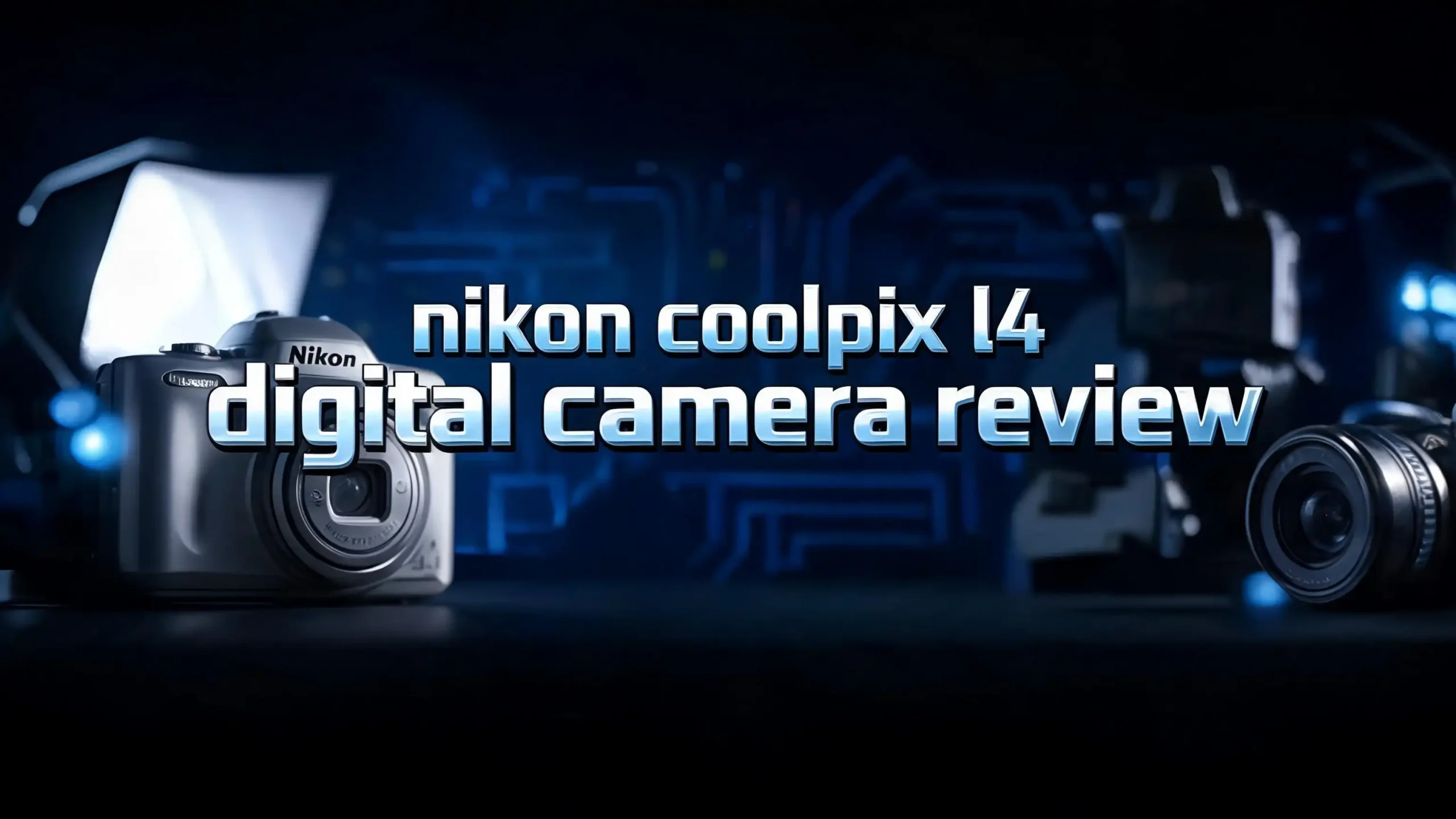
The Nikon Coolpix L4 is a compact digital camera that first launched back in 2006. Two decades later, this little point and shoot still draws attention from photographers who love the vintage digicam look. Many users buy it today for its retro charm, simple controls, and affordable price.
This review covers everything you need to know about the Coolpix L4 in 2026. You will learn about its build, image quality, features, and value. We also share three solid alternatives if the L4 does not fit your needs.
The camera uses two AA batteries, a small 4 megapixel CCD sensor, and a 3x Nikkor zoom lens. It feels light in the hand and slips easily into a pocket. Read on to see if this old school camera deserves a spot in your bag.
In a Nutshell
- The Nikon Coolpix L4 packs a 4 megapixel CCD sensor with a 3x Nikkor optical zoom lens that covers a 38mm to 116mm range in 35mm equivalent terms.
- The camera runs on two AA batteries, which makes it easy to power up anywhere in the world without hunting for a proprietary charger.
- The 2 inch LCD screen is bright and clear, but it does not work well under harsh direct sunlight.
- Image quality looks soft by modern standards, yet the CCD color rendering gives photos a warm, film like feel that many creators love today.
- The L4 lacks image stabilization, manual controls, and HD video, so it suits casual shooters more than serious hobbyists.
- Prices on the used market stay low, often between 20 and 60 dollars, which makes it an affordable entry into the digicam trend.
What Is the Nikon Coolpix L4?

- 4.0-megapixel CCD captures enough detail for photo-quality 11 x 15-inch prints
- 3x optical zoom; 2.0-inch Super Bright LCD display
Last update on 2026-10-25 / Affiliate links / Images from Amazon Product Advertising API
The Nikon Coolpix L4 is an entry level compact digital camera. Nikon released it in February 2006 as part of the budget friendly L series. The camera targeted casual users who wanted a simple device for snapshots.
The L4 has a plastic body that comes in silver. It measures about 87 by 61 by 35 millimeters and weighs only 165 grams with batteries. That makes it small enough to carry every day.
Nikon built the L4 with point and shoot ease in mind. It offers automatic exposure, 16 scene modes, and a basic menu. You will not find aperture priority, shutter priority, or RAW capture here.
In 2026, the L4 has gained new fans through TikTok and Instagram. Young creators love the CCD digicam aesthetic for its grainy, nostalgic look. The L4 fits this trend perfectly because it sells cheap and still works well.
Design and Build Quality
The Nikon Coolpix L4 has a clean, simple design. The front panel holds the 3x zoom lens, a built in flash, and a self timer lamp. A shutter style lens cover protects the glass when the camera is off.
The top of the camera includes the shutter button and power switch. The back panel houses the 2 inch LCD, a four way controller, a zoom rocker, and four control buttons. Everything sits where your thumb naturally rests.
The body feels light because it uses plastic instead of metal. Build quality is decent for the price, but you should not expect premium materials. The textured grip on the front gives your fingers a steady hold.
The battery and memory card door sits on the bottom. It opens smoothly and locks in place. The tripod mount is plastic, which is a small downside if you plan to use a tripod often.
Image Sensor and Resolution
The Coolpix L4 uses a 1/2.5 inch CCD sensor with 4 effective megapixels. Total pixel count reaches 4.23 million. Maximum image size is 2272 by 1704 pixels.
This resolution sounds low next to modern phones, which often shoot at 48 megapixels or more. Still, 4 megapixels is enough for prints up to 8 by 10 inches. Most social media platforms also compress photos far below this size.
The CCD sensor is the star of the show in 2026. CCD chips produce colors that feel warm, slightly punchy, and a bit film like. Newer CMOS sensors look cleaner but lack this character.
ISO sensitivity ranges from 50 to 800. Lower ISO settings give the best results. Photos shot at ISO 400 or 800 show heavy noise, so try to stick with bright light.
Lens and Optical Zoom
The L4 features a Nikkor 3x optical zoom lens. The focal length covers 6.3mm to 18.9mm, which equals 38mm to 116mm in 35mm format. The maximum aperture runs from f/2.8 at the wide end to f/4.9 at the telephoto end.
This lens is fixed and cannot be swapped. The zoom range is modest by today’s standards, where many compacts offer 8x, 10x, or even 30x zoom. Still, the 3x range covers most everyday shots.
Image quality from the lens is acceptable. Sharpness peaks in the center, while corners look slightly soft. Some barrel distortion shows up at the wide end, which is normal for this class.
The lens also includes a 4x digital zoom. We suggest you avoid digital zoom because it just crops the image and reduces detail. Stick to the optical zoom for the best results.
LCD Screen and Viewfinder
The Coolpix L4 has a 2 inch color LCD on the back. The screen uses about 86,000 pixels, which feels low compared to the high resolution screens of 2026 cameras. Still, it does the job for framing and reviewing shots.
The display is bright and easy to read indoors. Outdoor use can be tough because the screen washes out under direct sun. A small hood or cupping your hand helps a lot.
There is no optical viewfinder on this model. Some earlier Coolpix cameras included one, but Nikon dropped it on the L4 to save cost. You must rely fully on the LCD for composition.
The menu system is simple and easy to learn. Icons appear large enough to read, and the four way controller makes scrolling smooth. Beginners can pick up the L4 within minutes.
Top 3 Alternatives for Nikon Coolpix L4
If the Coolpix L4 does not match your needs, these three modern options give you better specs at a similar budget.
The Canon PowerShot ELPH 180 offers a 20 megapixel CCD sensor and 8x optical zoom. It keeps the classic point and shoot feel while giving sharper photos.

- 8x Optical Zoom with Optical Image Stabilizer helps you capture images with flexibility and ease
- 20.0 Megapixel CCD sensor combines with the DIGIC 4 plus Image Processor to help deliver stunning...
Last update on 2026-10-25 / Affiliate links / Images from Amazon Product Advertising API
The Kodak PIXPRO FZ55 is a 16 megapixel CMOS camera with 5x zoom and 1080p video. It costs about 140 dollars and works well for vlogging and travel.

- 16MP Sensor: Captures detailed photos with a CMOS sensor for everyday shooting
- Optical Zoom: 5x optical zoom with a 28mm wide angle lens for flexible framing indoors or outdoors

Last update on 2026-10-25 / Affiliate links / Images from Amazon Product Advertising API
The Sony Cyber Shot DSC W830 packs a 20.1 megapixel sensor, 8x Carl Zeiss zoom, and Optical SteadyShot. It captures sharper, less shaky shots than the Nikon L4.

- 20.1 Megapixel Plus 8x Zoom
- Optical Steady Shot image Stabilization with 2-way Active Mode
Last update on 2026-10-25 / Affiliate links / Images from Amazon Product Advertising API
Battery Life and Power
The Nikon Coolpix L4 runs on two AA batteries. You can use alkaline, lithium, or rechargeable NiMH cells. Nikon shipped the camera with a pair of NiMH batteries and a charger.
This battery setup is one of the L4’s biggest strengths in 2026. AA batteries are sold everywhere, from gas stations to grocery stores. You will never get stuck with a dead camera on a trip.
Battery life is moderate. Fresh alkaline AAs give you about 100 shots, while high capacity NiMH cells can push past 250 shots. Lithium AAs last even longer and work better in cold weather.
Always carry a spare set of batteries with you. The flash and LCD drain power fast. Turn off the LCD when you do not need it to extend run time.
Memory and Storage
The Coolpix L4 has 16MB of internal memory. This space holds only about 3 high quality photos, so it is mostly a backup. You will want a memory card for real use.
The camera accepts SD cards. It works best with cards up to 2GB in size, though some users report that 4GB SDHC cards work too. Faster cards do not improve performance much because the camera writes slowly anyway.
A 2GB SD card holds around 1,000 photos at the highest quality setting. That is plenty for a long weekend trip. Cards are cheap on Amazon, often under 10 dollars.
File transfer happens through USB 1.1. This connection is slow by modern standards, so a card reader works much faster. You can also pop the SD card straight into a laptop or phone with an adapter.
Image Quality and Performance
The Coolpix L4 produces photos with a soft, vintage character. Sharpness is lower than modern cameras, and fine detail can look fuzzy. Yet many shooters in 2026 see this as a feature, not a flaw.
Color reproduction is one of the camera’s strong points. Skin tones look warm and natural, while greens and blues stay rich. JPEG processing keeps colors slightly saturated, which works well for outdoor shots.
Low light performance is weak. The small sensor and slow lens struggle in dim rooms. Without image stabilization, you also get camera shake at slow shutter speeds. Use the flash or shoot outdoors for the best results.
Shutter lag is noticeable. The L4 takes about half a second to focus and fire. Continuous shooting tops out around 1 frame per second, which is too slow for sports or fast moving subjects.
Video Recording Features
The Nikon Coolpix L4 records video in QuickTime MOV format. Maximum resolution is 640 by 480 pixels at 15 frames per second. There is also a smaller 320 by 240 mode at 15 fps.
Video quality is basic by 2026 standards, where even budget phones shoot 4K. The L4 cannot match modern footage in sharpness or smoothness. Still, it works for casual clips and the low fi look fits the digicam trend.
Audio is mono and recorded through a small built in microphone. There is no input for an external mic. Sound quality is fine for memos but weak for serious projects.
You cannot zoom while recording. The lens locks in place once you press record. Plan your shots before you start filming to avoid awkward cuts.
Scene Modes and Shooting Options
The Coolpix L4 includes 16 scene modes. These cover common situations like portrait, landscape, sunset, beach, snow, fireworks, and sports. Each mode adjusts settings for the best result.
The Auto mode handles most shots well. It picks exposure, white balance, and focus on its own. Beginners can shoot all day without touching a single setting.
There is also a movie mode and a setup menu for custom tweaks. White balance, ISO, exposure compensation, and image quality can be set by hand. Manual focus is not available, however.
The L4 has a face priority autofocus feature. The camera detects faces and locks focus on them. This works well for portraits and casual group shots.
Pros and Cons of the Nikon Coolpix L4
Every camera has strengths and weaknesses. The Coolpix L4 is no different. Here is a quick look at what it does well and where it falls short.
The pros include a light and pocketable body, simple AA battery power, easy menus, and a true CCD sensor for vintage colors. The price on the used market is also very low.
The cons include a low 4 megapixel resolution, no image stabilization, slow autofocus, weak low light performance, and limited video specs. The 2 inch screen feels cramped, and there is no manual exposure control.
If you want a fun second camera for casual snapshots, the L4 works great. If you need a main camera for important events or pro work, look at newer models. Match the tool to the job.
Who Should Buy the Nikon Coolpix L4 in 2026?
The Coolpix L4 fits a specific kind of buyer. It is not for everyone, but it shines in the right hands. Think about your needs before you order one.
Casual shooters who want a simple camera for kids, pets, or family events will like the L4. The auto modes do all the work. You just point and press.
Vintage digicam fans are the second key group. The CCD sensor delivers the grainy, warm look that is huge on Instagram and TikTok in 2026. Buy it for the aesthetic, not the specs.
Travelers on a tight budget also benefit. The AA batteries make power easy anywhere, and the small size slips into any bag. Just remember the lack of stabilization means daytime shooting works best.
Frequently Asked Questions
Is the Nikon Coolpix L4 still worth buying in 2026?
Yes, but only for casual or aesthetic use. The L4 sells cheap on the used market and gives you that classic CCD look. It is not a smart pick for serious photography.
What batteries does the Nikon Coolpix L4 use?
The L4 takes two AA batteries. You can use alkaline, lithium, or rechargeable NiMH cells. NiMH gives the best balance of cost and run time.
How many megapixels does the Nikon Coolpix L4 have?
The camera has a 4 megapixel CCD sensor. Maximum image size is 2272 by 1704 pixels, which is good for prints up to 8 by 10 inches.
Can the Nikon Coolpix L4 record HD video?
No, the L4 records video at 640 by 480 pixels at 15 frames per second. This is standard definition only. Modern phones offer far better video.
Does the Nikon Coolpix L4 have image stabilization?
No, it lacks any form of optical or digital stabilization. Hold the camera steady or use a tripod for sharper shots, especially in low light.
What memory card works with the Nikon Coolpix L4?
The L4 uses SD cards. Cards up to 2GB work without issue, and most 4GB SDHC cards also work. Stick to trusted brands like SanDisk or Transcend.
Where can I buy a Nikon Coolpix L4 today?
You can find the L4 on Amazon, eBay, and used camera shops. Prices range from 20 to 60 dollars, depending on condition and accessories.
Final Thoughts
The Nikon Coolpix L4 is a small, simple camera with a big personality. It will not replace your phone or a modern mirrorless body. Yet it offers something neither can match, which is the true CCD digicam look at a low price.
Buyers who want a pocket camera for fun, travel, or social media content will find a lot to love. The AA battery design, easy menu, and warm colors all add up to a charming little tool.
If you need sharp images, fast performance, or HD video, choose one of the alternatives we listed. The Canon ELPH 180, Kodak FZ55, and Sony W830 each give more for a small price bump. Pick the camera that matches your goals and start shooting.

Hi, I’m Kate! As a tech journalist and gadget enthusiast, I’ve been exploring the intersection of artificial intelligence and consumer technology for over a decade. My passion lies in translating complex tech concepts into practical insights that actually matter to real people.