Agfa Digital Camera DC8200 Review: Worth The Hype?
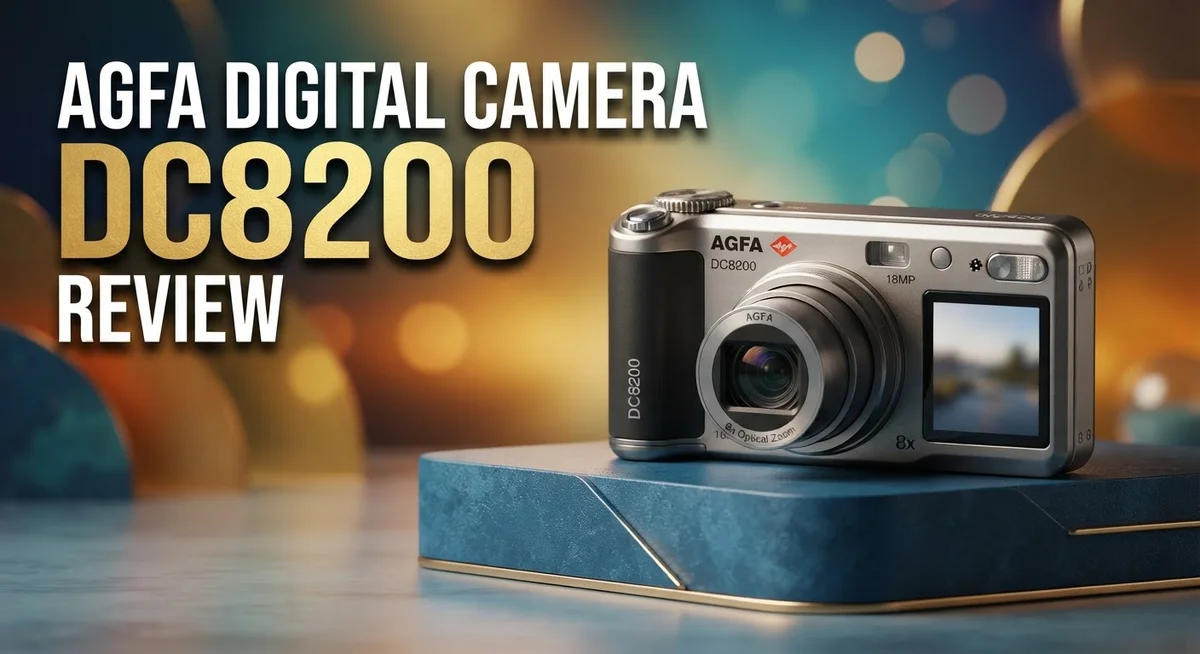
Are you thinking about buying the Agfa Digital Camera DC8200? This compact camera catches many eyes with its slim design and light body. It promises easy handling and a decent zoom range for everyday shots.
The DC8200 comes with an 8x optical zoom and a CMOS sensor. It shoots stills up to 21MP and records Full HD 1080p video. A 2.7 inch LCD screen helps you frame your shots with ease.
But does this camera truly deliver on its promise? Many buyers want a camera that mixes style with solid performance. This review checks if the DC8200 meets that mark or falls short.
We will look closely at its build quality, zoom performance, and image output. You will also learn about its quirks, like slower operation and an outdated Mini USB port.
If you want a clear picture before you decide, this guide covers it all. Stick around to see if the Agfa DC8200 fits your photography needs.
In a Nutshell
Design: This camera stays slim and lightweight. It looks good and feels easy to carry around all day.
Zoom: The 8x optical zoom sounds great on paper. But real world use shows shaky results, especially in low light.
Image Quality: Photos often look soft and lack sharp detail. The CMOS sensor struggles to keep up with pricier rivals.
Video: You get Full HD 1080p recording. It works fine for casual clips but nothing beyond that.
Handling: The controls feel clunky at times. New users may need extra time to get comfortable with menus.
Connectivity: It still uses a Mini USB port. This feels outdated compared to newer camera models on the market today.
Key Features and Specifications

- 18MP PHOTO and FULL HD video – Its CMOS sensor ensures a very good resolution of 18MP and FULL HD...
- 2.7 inch TFT LCD screen – A screen size and quality that allows you to fully appreciate the photos...
Last update on 2026-10-26 / Affiliate links / Images from Amazon Product Advertising API
The Agfa DC8200 packs a solid feature set that appeals to casual photographers. Let’s explore what makes this camera tick.
Sensor and Resolution deliver decent performance for everyday shooting. The CMOS sensor captures images at 18 to 21 megapixels, giving you enough detail for standard prints and online sharing. The sensor size keeps the camera compact without sacrificing too much light sensitivity.
Optical Zoom Performance is one of the headline specs. The 8x optical zoom lets you get closer to distant subjects without moving. However, users report that the zoom implementation feels awkward in practice. The mechanism works, but the overall execution doesn’t match the promise.
Video Capabilities round out the recording options nicely. You get Full HD 1080p video recording, which is standard for cameras in this class. The video feature works well for capturing moments, though the lightweight build can introduce shake during handheld recording.
Display and Interface keep things straightforward. The 2.7 inch LCD screen shows your shots clearly enough for framing and review. Menu navigation feels clunky at times, and some users find the button layout unintuitive. The controls don’t flow as smoothly as competitors offer.
Connectivity and Storage use older technology. The Mini USB port feels dated compared to modern USB Type C standards. This older connection type transfers files more slowly and feels outdated for a current model.
Build Quality reflects the slim design philosophy. The lightweight construction makes the camera portable and easy to carry. Unfortunately, this lightness works against you during shooting. The camera picks up motion easily, leading to blurry shots if you’re not perfectly steady.
Overall Specification Balance shows mixed results. The camera combines decent megapixels, optical zoom, and video in a small package. Yet the execution stumbles in several areas. Image sharpness suffers, and the lightweight design creates handling challenges. The specs look attractive on paper, but real world performance tells a different story. This camera prioritizes looks over substance, which matters when you’re serious about photo quality.
Design and Build Quality
The DC8200 feels light and slim in your hands. This camera weighs very little, making it easy to slip into a bag or pocket. The compact form factor appeals to travelers and casual users who want portability without bulk.
The body uses a plastic construction that keeps weight down. The materials feel decent enough for everyday use, though they lack the premium feel of metal frames found on higher end models. The design is straightforward and doesn’t try to be complicated.
The 2.7 inch LCD screen sits on the back and displays your shots clearly. The screen tilts and moves to help you frame shots from different angles. Navigation through menus is simple, though some users find the button layout a bit awkward.
One notable weakness emerges from the lightweight build. The camera feels somewhat fragile during handheld shooting. Users report that motion blur creeps into photos more easily than expected. This happens because the light body moves slightly when you press the shutter button. A heavier frame would absorb this movement better.
The Mini USB port represents outdated connectivity. This older standard charges slowly and transfers files at reduced speeds. Modern cameras use USB Type C or faster options. This port choice feels like a step backward.
The grip area provides decent space for your fingers. Controls sit within easy reach, though some buttons feel stiff and require firm pressure. The zoom ring rotates smoothly and responds quickly to your input.
Overall, the DC8200 prioritizes slim aesthetics over structural strength. The design looks attractive and photographs well in marketing shots. However, real world use reveals compromises. The lightweight construction creates handling challenges that more substantial cameras avoid.
The build quality reflects a camera that values appearance and portability above all else. For photographers who want a camera that fits easily into tight spaces and looks stylish, this approach works.
For those seeking durability and stability during shooting, the DC8200 shows its limitations. The design philosophy makes sense for casual use, but serious photographers may find the tradeoffs frustrating.
Image Quality and Optical Performance
The Agfa DC8200 uses an 18 to 21 megapixel CMOS sensor that sounds promising on paper. However, real world results tell a different story. Photos often appear soft and lack the sharpness that photographers expect from a compact camera in this class.
The 8x optical zoom is a standout feature. Yet the implementation falls short of expectations. Users report that the zoom mechanism feels poorly executed, and images lose detail when you push the magnification.
The lightweight construction actually works against zoom performance here. When you extend the lens fully, the camera becomes prone to motion blur because it cannot hold steady without extra support.
Image output suffers from inconsistent quality across different lighting conditions. Indoor shots tend to look grainy and lack color accuracy. Outdoor photos in bright sunlight perform better, but still do not match what you get from competing models. The sensor struggles to capture fine details, especially in shadow areas where noise becomes visible.
The Full HD 1080p video capability gives you basic recording options. Video quality matches the still image performance. You will notice softness in footage, and panning movements can reveal the motion blur issue. The lightweight body makes it hard to shoot smooth video without a tripod.
The optical performance reveals a camera that prioritizes style over substance. The zoom sounds exciting in marketing materials, but actual use shows limitations. You lose image clarity when zooming, and the physical design does not support steady handheld shooting at full magnification.
Low light performance is another weak point. The camera struggles when you move indoors or shoot in dim environments. You will see grain in photos taken without a flash, and colors shift unpredictably. This limits your creative options and forces you to rely on the flash more often than you might want.
The 2.7 inch LCD screen displays your images clearly enough for framing shots. However, it does not help you spot the softness and lack of detail until you view photos on a larger display. This can be frustrating when you discover image quality issues after you leave the shooting location.
Top 3 Alternatives

- 16.0 MP Image Sensor, DIGIC 4 Image Processor, 8x Optical Zoom, 28mm Wide-Angle lens
- 720p HD video recording with a dedicated movie button
Last update on 2026-10-26 / Affiliate links / Images from Amazon Product Advertising API

- Speaker is present beside the power button.
- This item has a built in GPS to geo tag photos.
Last update on 2026-10-26 / Affiliate links / Images from Amazon Product Advertising API

- 125x Optical Zoom with Dual Detect Optical Vibration Reduction Built-in NIKKOR lens covers a 24 to...
- 16MP BSI CMOS Sensor with RAW Support Backside-illuminated 16 megapixel sensor captures detailed...
Last update on 2026-09-08 / Affiliate links / Images from Amazon Product Advertising API
Video Capabilities and Ease of Use
The DC8200 captures video in Full HD 1080p resolution, which covers basic recording needs for casual users. You get straightforward video recording without fancy frame rates or advanced codecs. The camera handles standard video capture well enough for everyday moments.
Operating the camera feels intuitive for most users. The button layout makes sense, and you won’t struggle to find essential controls. The 2.7 inch LCD screen gives you a decent preview of what you’re shooting. Menu navigation stays simple without overwhelming you with options.
However, the lightweight plastic body creates some challenges during video recording. Motion blur becomes a real issue when you’re filming handheld. The camera lacks the weight and stability that heavier models provide. Your videos may appear shaky unless you keep very still or use a tripod.
The 8x optical zoom works during video capture, but the implementation feels awkward. Zooming in and out during recording can be jerky and unsmooth. You’ll get better results if you frame your shots before you hit record rather than adjusting zoom mid recording.
Autofocus performance during video shows mixed results. The camera can hunt for focus in some situations, which creates distracting moments in your footage. Low light video recording suffers from grain and loss of detail. You’ll want plenty of natural light for the best video output.
The Mini USB port limits how you transfer your videos to a computer. This older connection standard transfers files slowly compared to modern USB options. Copying large video files takes patience. You cannot charge the camera while transferring files, which adds to the inconvenience.
Overall, the DC8200 handles basic video recording for casual photographers. The Full HD capability meets minimum expectations for modern cameras. The ease of use extends to video mode, where you can start recording quickly. But the lightweight design, slow file transfer, and autofocus quirks prevent this camera from excelling at video work. If video matters to you, this camera offers basic functionality without any standout features.
Connectivity and Battery Performance
The DC8200 relies on a Mini USB port for all data transfer needs. This connection type feels outdated compared to modern cameras that use USB Type C or wireless options. You’ll need a compatible cable to move photos and videos to your computer. The transfer speed depends on your computer’s USB version, not the camera itself.
Battery performance on the DC8200 remains a practical consideration for daily use. The camera uses a rechargeable lithium ion battery that provides moderate shooting time. Agfa doesn’t specify exact battery life in hours, but compact cameras with similar specs typically last 200 to 300 shots per charge. Your actual mileage varies based on LCD screen usage and flash frequency.
Charging the battery happens through that same Mini USB port. You can charge directly in the camera or remove the battery for external charging. This dual approach offers flexibility, though the Mini USB standard charges slowly compared to modern fast charging standards. Plan extra time if you need a quick battery top up before heading out.
The lightweight plastic construction affects how the camera feels during extended shooting sessions. Your hands won’t tire quickly from weight, but the slim body means less stability when holding the camera steady. This becomes more noticeable during video recording or when using the 8x optical zoom. You may experience motion blur more easily than with heavier, more rigid cameras.
Real world battery drain accelerates when using the LCD screen constantly. The 2.7 inch display consumes significant power, especially at maximum brightness. Turning down the brightness setting extends your shooting time considerably. The zoom function also draws extra battery power, so frequent zooming reduces your total shots per charge.
For casual photographers who shoot locally, the Mini USB connectivity works fine for occasional file transfers. However, users who travel frequently or need wireless sharing will find these connectivity options limiting. The battery life suits day trips and casual outings, but you’ll want a spare battery for longer adventures or extended travel situations.
Pros and Cons
Pros
- Slim and lightweight design fits easily into bags and pockets
- 8x optical zoom lets you capture distant subjects without losing detail
- Attractive styling appeals to photographers who care about aesthetics
- Intuitive controls make the camera simple to operate for beginners
- Full HD 1080p video recording covers basic video capture needs
Cons
- Image quality suffers from graininess indoors and inconsistency across lighting conditions
- Lightweight plastic body creates instability during video recording and causes motion blur
- Optical zoom implementation feels awkward and poorly executed during actual use
- Mini USB port limits connectivity options and feels outdated compared to modern standards
Who Should Buy It
The DC8200 works best for casual photographers who want a slim camera that fits in their pocket. If you take photos occasionally and don’t demand professional results, this camera suits your needs.
You should consider this model if you value portability above all else. The lightweight design means you’ll actually carry it everywhere. This matters when you compare it to bulkier alternatives that stay home.
The DC8200 appeals to beginners who appreciate simplicity. New photographers find the controls intuitive and straightforward. You won’t need to read manuals or adjust complex settings to capture basic photos.
Travel photographers might find the 8x optical zoom helpful. You can frame distant scenes without changing lenses. The compact body takes up minimal luggage space during trips.
However, skip this camera if you need reliable image quality. Indoor shots show graininess. Lighting conditions affect how your photos look. Professional results don’t come from this model.
Don’t buy it if you shoot video frequently. The lightweight plastic body creates motion blur during recording. The zoom implementation feels awkward when filming. You’ll find the experience frustrating if video matters to you.
This camera isn’t for photographers who demand stability. The plastic construction wobbles during extended shooting sessions. Your hands tire faster. The camera feels cheap rather than durable.
Avoid it if you use modern connectivity standards. The Mini USB port feels outdated. You’ll struggle with file transfers on newer computers. This limitation annoys anyone with current devices.
The DC8200 doesn’t suit photographers who shoot in varied lighting. Image consistency suffers across different conditions. You’ll notice quality drops significantly in challenging light.
Consider alternatives if you plan extended shooting sessions. Battery drain accelerates with constant LCD screen use. You’ll need frequent charging breaks.
This model works for people who prioritize aesthetics and convenience over image quality and performance. You get an attractive, easy to carry camera for casual everyday photography. Just understand its limitations before purchasing. The DC8200 delivers what it promises: a portable, simple camera for basic photography needs.
Final Verdict
The AgfaPhoto Realishot DC8200 offers a mixed experience overall. It shines in design but struggles with performance. This makes it a niche choice rather than an all around camera.
Compared to rivals like the Canon G7X or Panasonic Lumix G7, the DC8200 falls short in image processing. Those models handle low light and motion far better. If sharp photos matter most, look at these alternatives first.
The DC8200 works well as a secondary camera rather than your main shooter. Think of it as a fun backup for quick snapshots. It should not replace a smartphone camera for most daily use.
Smartphone cameras today often outperform the DC8200 in clarity and consistency. Many phones handle low light better and offer more editing flexibility. This camera cannot compete on that front.
Where the DC8200 succeeds is in nostalgia and simplicity. It brings back a classic point and shoot feel. Photography enthusiasts who enjoy retro gadgets may appreciate this charm.
The camera also suits collectors who like compact digital cameras from this era. Its lightweight body and simple menu system add to that vintage appeal. It is more about experience than results.
If you want a camera purely for fun outings, the DC8200 fits that role. Just keep expectations realistic about picture quality. Treat it as a lifestyle accessory rather than a serious tool.
For anyone prioritizing sharp images or steady video, this model will disappoint. The optical zoom and sensor limitations are hard to ignore. Serious hobbyists should explore other options in the same category.
In short, the AgfaPhoto DC8200 delivers style over substance. It looks great and feels easy to use but cannot match modern image standards. Choose it only if charm and portability matter more than performance.
Frequently Asked Questions
Does the DC8200 work for professional photography?
No. The DC8200 is not built for professional work. Image quality suffers from graininess when you shoot indoors or in mixed lighting. Professionals need consistency and sharpness. This camera struggles with both.
The lightweight plastic body also causes motion blur during video. If you shoot professionally, you need stability and reliability. The DC8200 doesn’t deliver either.
Can you use the DC8200 with modern computers?
Not easily. The camera uses a Mini USB port, which is outdated. Most modern laptops and computers no longer include Mini USB slots.
You’ll need an adapter to connect the DC8200 to your devices. This adds extra hassle to your workflow. Newer cameras use USB Type-C or wireless connectivity instead.
How does the 8x optical zoom perform in real use?
The zoom works but feels awkward. The optical zoom implementation is poorly executed. Users report that zooming feels cumbersome and unintuitive.
The lightweight build makes zooming less stable. When you zoom in, motion blur becomes more noticeable. For casual zooming, it gets the job done. For serious zoom work, better options exist.
Is the DC8200 better than using my smartphone?
Most smartphones today outperform the DC8200. Modern phones capture clearer images and handle varied lighting much better.
The DC8200’s main advantage is its slim, pocket sized design. If you want a dedicated camera purely for fun outings, the DC8200 fits that role. Otherwise, your phone probably takes better photos.
Who should actually buy this camera?
Buy it if you value portability above everything else. Collectors of compact digital cameras from this era might enjoy it. Casual photographers who want simplicity and don’t need sharp images could consider it.
Skip it if you shoot video frequently or need reliable image quality.

Hi, I’m Kate! As a tech journalist and gadget enthusiast, I’ve been exploring the intersection of artificial intelligence and consumer technology for over a decade. My passion lies in translating complex tech concepts into practical insights that actually matter to real people.